
Malaysian Laksa Guide: From Penang to Sarawak's Most Iconic Noodle Soup
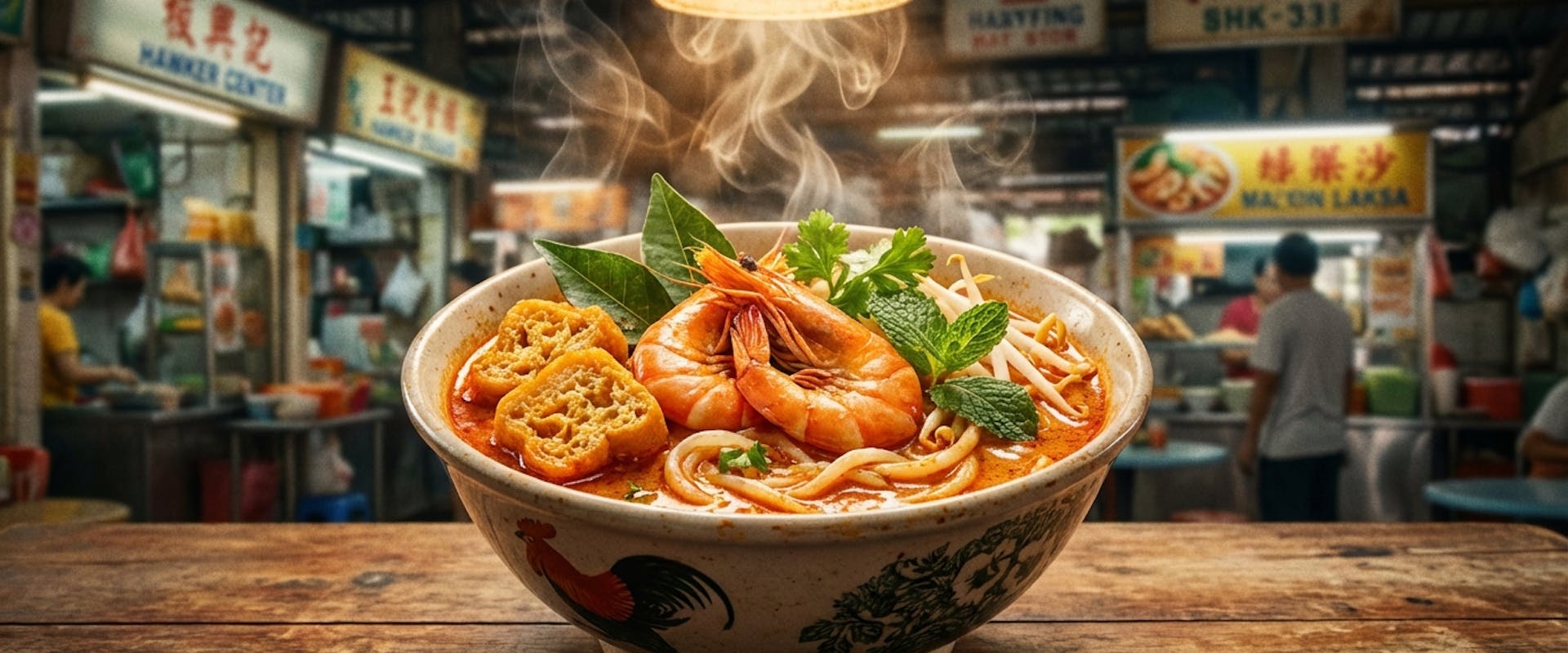
The steam rises from the bowl like a fragrant invitation. Inside, thick rice noodles swim in a broth that tells the story of Malaysia's multicultural soul—Chinese techniques meeting Malay spices, Indian influences adding depth, Peranakan traditions binding it all together.
This is laksa, and understanding it means understanding Malaysia itself.
The Laksa Family Tree
Laksa isn't one dish—it's a family of soups that vary dramatically across Malaysia. After three weeks eating my way through hawker centers from Georgetown to Kuching, I discovered that asking for "laksa" is like ordering "pasta" in Italy. The question isn't whether you want it, but which one.
Penang Asam Laksa: The Sour Revelation
Penang's asam laksa might be the most polarizing bowl in Malaysian cuisine. The first time I tasted it at a famous stall in Air Itam, I understood why—it's intensely sour, funky from fermented shrimp paste, and unlike any noodle soup you've encountered.
What Makes Asam Laksa Different
The broth is tamarind-based, giving it that characteristic sourness. Mackerel is simmered until it flakes apart, creating a fish-forward flavor that's amplified by torch ginger flower, Vietnamese mint, and a generous dollop of hae ko (prawn paste).
Essential elements:
- The fish: Mackerel (ikan kembung), never substituted
- The herbs: Daun kesum (Vietnamese mint), bunga kantan (torch ginger)
- The noodles: Thick rice noodles, slightly springy
- The garnish: Pineapple, cucumber, red onions, mint leaves
- The controversy: Hae ko (shrimp paste) on the side—locals add generously, tourists approach cautiously
Where to Find Penang's Best Asam Laksa
Laksa Janggus (Air Itam) - The legendary stall that locals swear by. The queue starts before 10 AM, and they often sell out by 2 PM. Their broth has been refined over three generations.
Joo Hooi Cafe (Penang Road) - A more accessible option for tourists, but don't let that fool you—their laksa earned its reputation legitimately.
Curry Laksa: The Comfort Bowl
If asam laksa is Penang's wild child, curry laksa is the beloved comfort food found throughout peninsular Malaysia. The coconut milk-based curry broth is rich, spicy, and infinitely more approachable to first-timers.
The Anatomy of Perfect Curry Laksa
Curry laksa starts with a rempah—a spice paste pounded from scratch. Dried chilies, shallots, garlic, lemongrass, galangal, and belacan (shrimp paste) are ground together until they release their oils. This paste is fried in coconut oil until fragrant, then coconut milk and stock are added.
Standard toppings:
- Tau pok (fried tofu puffs) that soak up the broth like sponges
- Prawns, sometimes cockles
- Shredded chicken
- Bean sprouts and laksa leaves (daun kesum)
- Sambal on the side for extra heat
KL vs. Penang Curry Laksa
Kuala Lumpur's curry laksa tends to be richer and more coconut-forward. Penang's version (when they make curry laksa) is lighter, with more emphasis on the spice paste complexity.
At a hawker center in Petaling Jaya, a uncle who'd been making laksa for 40 years explained: "KL people like it creamy. They want to feel full. Penang people want to taste every spice."
Sarawak Laksa: The Breakfast Champion
Sarawak laksa is Borneo's gift to the laksa world—different enough from peninsular versions that it deserves its own category. The broth is neither purely coconut-based nor tamarind-sour, but something in between, with a distinctive flavor that comes from sambal belacan and a secret spice blend that varies by stall.
What Makes Sarawak Laksa Unique
The base combines coconut milk with a complex spice paste, but it's lighter than curry laksa. What sets it apart is the sambal belacan mixed directly into the broth, creating a flavor that's simultaneously creamy, spicy, and slightly funky.
Signature elements:
- The paste: A closely guarded blend usually including coriander seeds, lemongrass, galangal, and turmeric
- The garnish: Shredded chicken, prawns, omelette strips, bean sprouts, and fresh coriander
- The condiment: Calamansi lime on the side—essential for balancing the richness
- The timing: Traditionally a breakfast dish, though now served all day
Best Sarawak Laksa in Kuching
Choon Hui Cafe - Many locals claim this is the definitive version. The broth has a complexity that reveals itself over multiple bowls—each spoonful showing different facets.
Ah Chiang Laksa - Another strong contender, known for particularly fresh ingredients and generous portions of prawns.
Love exploring Southeast Asian soup culture? See how Vietnam perfects broth in our Hanoi Pho Guide.
Johor Laksa: The Underdog
Johor laksa gets less international attention, but it's beloved locally for good reason. Unlike other versions, it uses spaghetti instead of rice noodles—a quirk that reveals the Italian influence in this southern Malaysian state.
The fish-based broth is similar to asam laksa but less sour, and the dish is often topped with cucumber, long beans, and the essential belimbing (a sour fruit).
The Art of Making Laksa Paste
Every great bowl of laksa starts with rempah—the spice paste that forms the flavor foundation. At a cooking class in Georgetown, I learned that making proper rempah is a workout.
Essential Laksa Paste Ingredients
For curry laksa:
- Dried chilies (soaked and deseeded)
- Shallots and garlic
- Fresh turmeric and galangal
- Lemongrass (bottom third only)
- Belacan (toasted first)
- Candlenuts or macadamias (for body)
- Coriander seeds (toasted and ground)
The traditional method:
Pound everything in a granite mortar (batu lesong) until it becomes a smooth paste. This takes 30-45 minutes of continuous pounding. The friction releases oils that a blender cannot replicate.
The modern shortcut: Blend ingredients with a small amount of oil, then fry the paste for 15-20 minutes over low heat until the oil separates and the raw smell disappears. You'll know it's ready when your kitchen smells incredible and your neighbors start appearing at your door.
Laksa Etiquette and Eating Tips
How locals eat laksa:
-
Mix thoroughly first - Stir all the garnishes into the broth before eating. Everything should be coated.
-
Use the spoon-chopstick combo - Chopsticks lift noodles, spoon catches broth. The rhythm becomes meditative.
-
Add sambal gradually - Start with a small amount, then build. You can always add more heat.
-
Don't skip the lime - Especially for Sarawak laksa, that squeeze of calamansi balances everything.
-
Drink the broth - Don't leave a drop. The broth is where the cook's skill shows.
Making Laksa at Home
Honest truth: Authentic laksa is challenging to replicate at home, mainly because of ingredient availability. But a simplified version can still satisfy cravings between trips to Malaysia.
Curry Laksa Shortcut Recipe (Serves 4)
For the paste:
- 6 dried chilies, soaked
- 4 shallots
- 3 cloves garlic
- 2 stalks lemongrass (bottom part)
- 1-inch galangal
- 1 tbsp belacan (toasted)
- 1 tsp turmeric powder
- 3 candlenuts or 6 macadamias
For the soup:
- 2 cans coconut milk (400ml each)
- 1 liter chicken stock
- 2 tbsp curry powder
- Fish sauce to taste
- Palm sugar (optional)
Toppings:
- Thick rice noodles or vermicelli
- Fried tofu puffs
- Cooked prawns
- Shredded chicken
- Bean sprouts
- Laksa leaves or mint
Method: Blend paste ingredients with a little water. Fry paste in oil for 15 minutes until fragrant. Add curry powder, cook 2 minutes. Add stock and coconut milk. Simmer 20 minutes. Season with fish sauce and sugar. Assemble bowls with noodles, pour hot broth, add toppings.
Exploring Thai street food? Check out our Bangkok Street Food Safari for another Southeast Asian noodle adventure.
The Laksa Philosophy
What struck me most about Malaysia's laksa culture is how it reflects the country's identity. Each regional version tells a story of migration, adaptation, and local ingredients.
Penang's asam laksa shows Peranakan influence—Chinese settlers marrying Malay women, creating a hybrid culture with hybrid food. Sarawak's version reflects Borneo's distinct spice traditions. Even Johor's spaghetti laksa speaks to colonial history and cultural flexibility.
At a kopitiam (coffee shop) in Kuala Lumpur, I asked an elderly uncle why Malaysia has so many laksa variations. He smiled: "Because we are many people, but we all love noodles and spicy soup. So everyone makes their version."
That's the beauty of laksa—it's Malaysian precisely because it isn't one thing. It's diverse, it's complex, it's sometimes challenging, and it rewards those who explore beyond the first bowl.
Planning Your Malaysian Laksa Journey
Essential stops:
- Penang: 2-3 days to explore both asam and curry laksa
- Kuala Lumpur: Sample curry laksa variations across different neighborhoods
- Kuching, Sarawak: Minimum 2 days for proper Sarawak laksa investigation
- Johor Bahru: If you're heading to/from Singapore, try the spaghetti version
Budget expectations:
- Hawker stall laksa: RM 6-12 ($1.50-$3 USD)
- Restaurant versions: RM 15-25 ($4-$6 USD)
- Cooking class: RM 200-400 ($50-$100 USD)
Best time to visit: Laksa is year-round, but the peak hawker center experience happens during breakfast (7-10 AM) and dinner (6-8 PM) when locals eat.
What Laksa Teaches Us
After dozens of bowls across three Malaysian states, I realized laksa isn't just about noodles in broth. It's about how food adapts, migrates, and transforms while maintaining its essential character.
Each bowl tells the story of cooks who spent decades perfecting their spice paste, hawkers who wake at 4 AM to prepare stock, grandmothers passing down techniques that can't be written—only felt.
The best laksa I tasted wasn't at a famous stall. It was at a no-name hawker center in Ipoh, made by a woman who'd served the same recipe for 35 years. When I asked her secret, she said: "No secret. Just make it every day until you understand what it wants to be."
That's the laksa lesson—mastery comes from repetition, respect for tradition, and the wisdom to let local ingredients guide you.
Find your bowl. Add the sambal. Squeeze the lime. Welcome to Malaysia's most delicious contradiction—a soup that's completely different everywhere, yet somehow always unmistakably laksa.